

Million milestone: Fort Worth approaches top-10 spot in U.S.
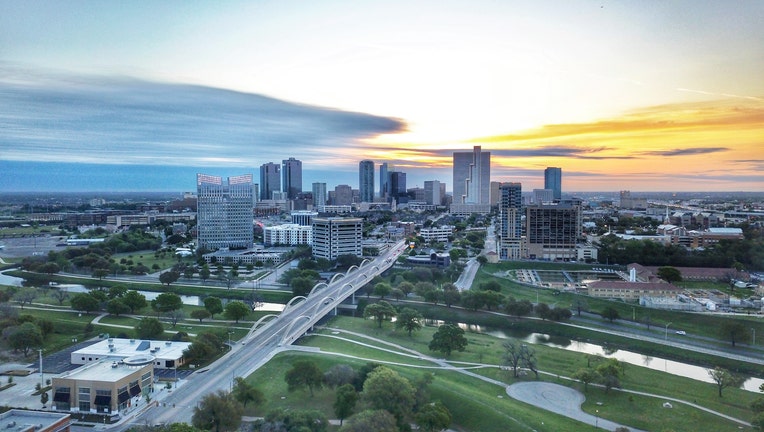
Aerial view of Ft Worth skyline at sunrise
FORT WORTH, Texas - Fort Worth's latest census has put them over 1 million residents, widening the gap recently secured over Austin as the fourth-largest city in Texas.
The population growth also secures Fort Worth the 11th spot in the nation, with city officials hoping to close the ever-shrinking gap to reach the top 10 within the year.
Fort Worth grows larger than Austin
According to the U.S. Census Bureau, Austin now ranks 13th in the nation for population size.
Fort Worth now trails only Houston, San Antonio and Dallas among Texas' largest cities with a total population of 1,008,106, the bureau says.
Now ranked 11th in the U.S., Fort Worth is smaller than Jacksonville, Florida, by fewer than 2,000 people.
By the numbers:
According to the City of Fort Worth, of the 30 most populous cities, they have grown the fastest since 2020, with 9.7 percent population growth over the last four years and 3.1 percent in the past year.
Of the same sample, Fort Worth is among the least densely populated, allowing greater room for growth. The city ranked 24th in this category, only being beaten by Oklahoma City, Jacksonville, Nashville-Davidson County, Memphis, Indianapolis and El Paso.
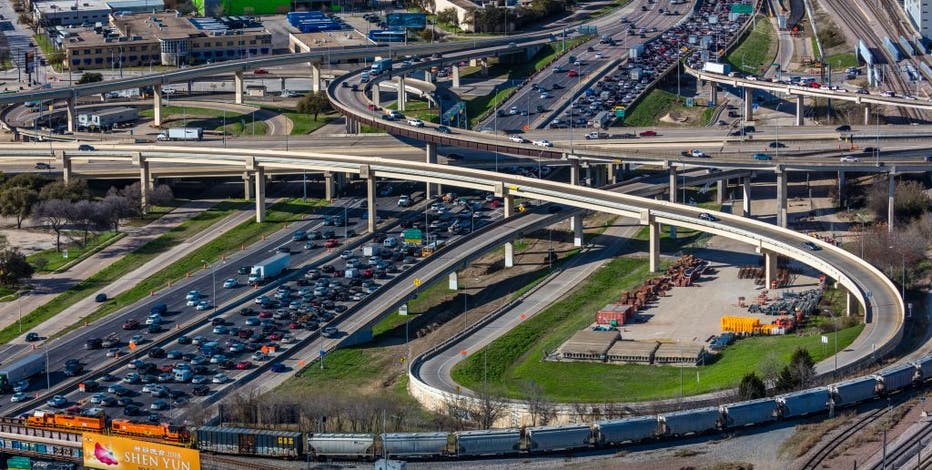
Princeton named fastest-growing city in America
North Texas is booming—five cities in the region are among the fastest-growing in America. One city in Collin County topped the list and is officially the fastest-growing city in the U.S.
The key to Fort Worth's success
The city believes its growth can be attributed to a strong economy, comparatively low cost of living and a favorable business climate.
What they're saying:
"This is an exciting and significant milestone for Fort Worth," said Mayor Mattie Parker. "We are in a crucial moment of growth and opportunity, and it’s more important than ever that we lead with smart policies, smart investments and smart planning to ensure our city continues to thrive long into the future."
"Growth doesn’t just happen," City Manager Jay Chapa said. "For decades, the City of Fort Worth has been led by public servants who prioritized fiscal discipline, continually improved services and focused on delivering quality of life for residents. Surpassing 1 million residents is a reminder that the work matters, and we have a responsibility to continue stewarding that growth into the future."
"The 1 million mark reflects not just growth, but complexity." said Christianne Simmons, Fort Worth’s chief transformation officer. "As Fort Worth becomes a bigger city, the questions get tougher — about infrastructure, public services and how to make limited dollars go further. FWLab is here to help the City navigate those challenges with data-driven tools and strategic, future-forward planning."
The Source: Information in this article came from the U.S. Census Bureau and the City of Fort Worth.