

DPD and Flock agree to keep state-funding cameras active for a while longer
DPD and Flock to keep grant-funded cameras active
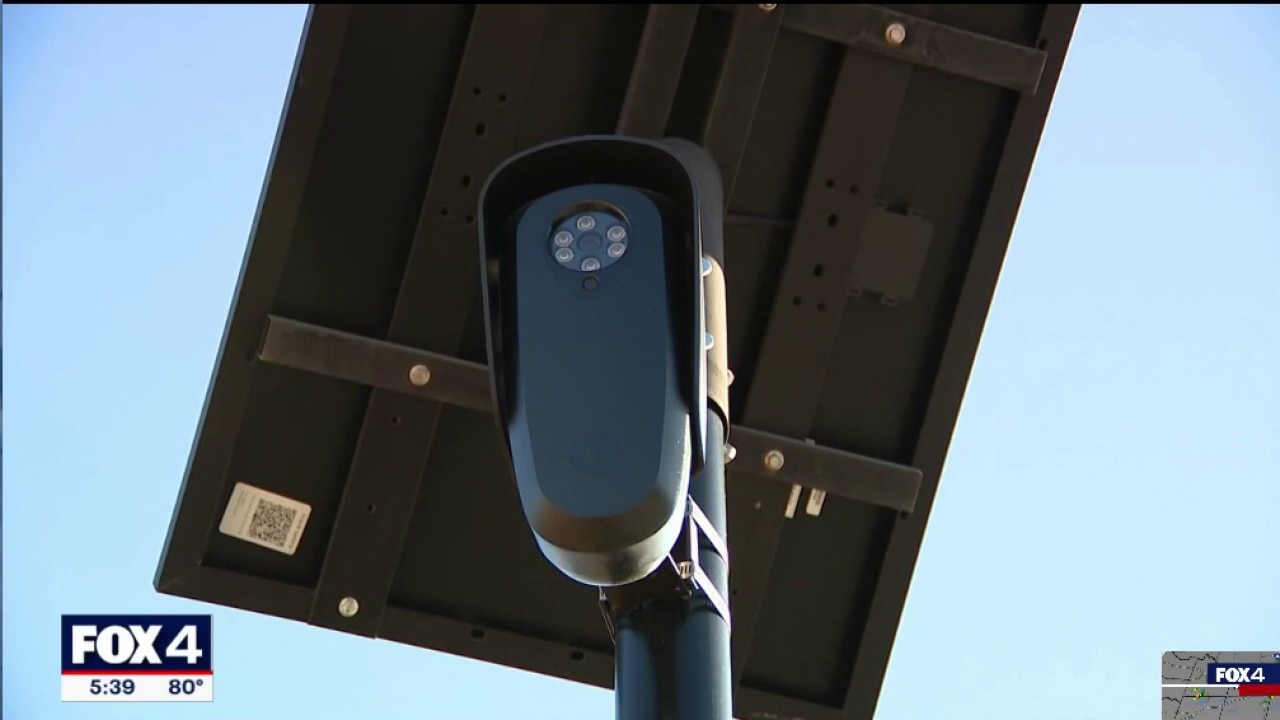
Hundreds of controversial license plate reading cameras in Dallas that were set to be unplugged will remain active. Dallas police and the Flock CEO met today to discuss the cameras and concerns about possible misuse.
DALLAS - Dallas Police Chief Daniel Comeaux met with the head of Flock Safety on Wednesday to discuss guidelines for the city's automated license plate readers.
The two reportedly came to an agreement to keep more than 300 of the city's cameras online for a while longer despite the loss of state funding.
What we know:
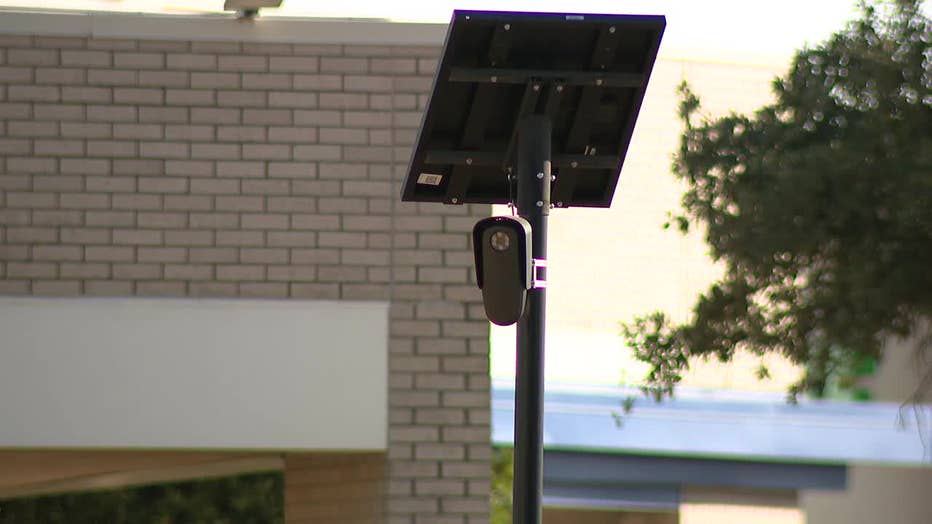
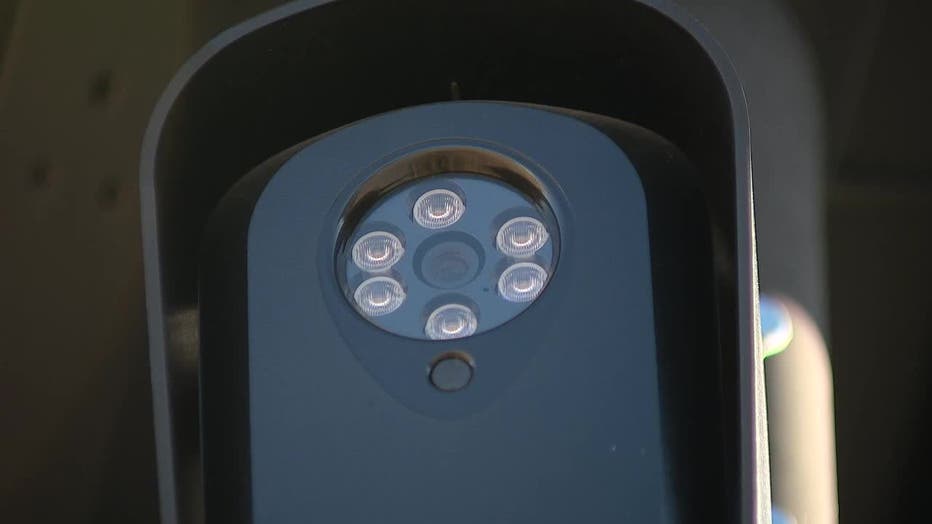
Currently, the City of Dallas has more than 600 Flock cameras positioned throughout the city. However, about half of those cameras were set to be unplugged after the Dallas Police Department lost the state grant that funded their operation.
This change happened in response to Gov. Greg Abbott's order requiring state agencies to pause funding for the controversial cameras on Sept. 1.
DPD said that during Wednesday's meeting, Flock agreed to keep those 320 cameras operational for the next 90 days.
Dallas has another 300 cameras actively in use that are funded directly through a contract with the city of Dallas. When the contract was brought to a vote, only three city council members voted to cancel it.
Chief Comeaux stated that his department has seen no evidence of camera misuse since deployment, crediting the system with helping solve numerous violent crimes.
Meanwhile, several other North Texas cities have chosen to cancel their contracts with Flock amid a growing nationwide debate over privacy and license plate readers.
What they're saying:
The Dallas Police Department released a photo of the chief with Langley and released a statement after the meeting. It said in part that the meeting addressed the department’s concerns and helped it better understand the safeguards Flock already has in place.
Criminologist Alex del Carmen said he believes Flock cameras are an incredible tool when it comes to solving crimes and that removing them will result in crime rates going up.
However, del Carmen also believes society needs to find a way to ensure the cameras can remain on while still protecting people’s privacy.
"While I understand once again the idea of ensuring that privacy is kept among all of us, right? I mean, I'm a civilian and I, like many people, don't want my data to be stolen or to be misused. However, at the same time, as a citizen, as a resident of the Metroplex, I want to be protected. I want to make sure that if a bad guy passes by my neighborhood and is looking at stealing, you know, my neighbor's car or going into my home and stealing any products from my home. I want to make sure that police have a good, clear picture of that individual's license plate and that they have good leads to be able to arrest that person. So there has to be a balance between the protection of individual's rights, but at the same time, giving law enforcement the tools that they need in order to be able to do their job more effectively," he said.
The other side:
A small group of protesters gathered at Dallas Police Headquarters ahead of the chief’s meeting with the CEO.
Brandon Friedman is on the Dallas Police Oversight Board. He is calling for the cameras to be turned off or limited until there is a better system in place.
"The cameras also get things wrong, leading law enforcement to show up at the homes of innocent people. Of course, the police always say they have safeguards in place. Here in Dallas, I find that interesting because DPD's own Flock camera policy is barely 900 words, just under three pages, three meager pages to outline usage of a powerful surveillance technology," Friedman said.
Big picture view:
Flock is not the only technology DPD is using to try to fight crime.
The department also shared a photo of the chief with Peregrine CEO Nick Noone. The technology enables officers and investigators to quickly discover links between cases, identify suspects, and reduce time spent on administrative tasks.
The Source: The information in this story comes from the Dallas Police Department and reporter Lori Brown's broadcast report.