

Dallas County death row inmate's latest appeal, cousin's confession denied by court
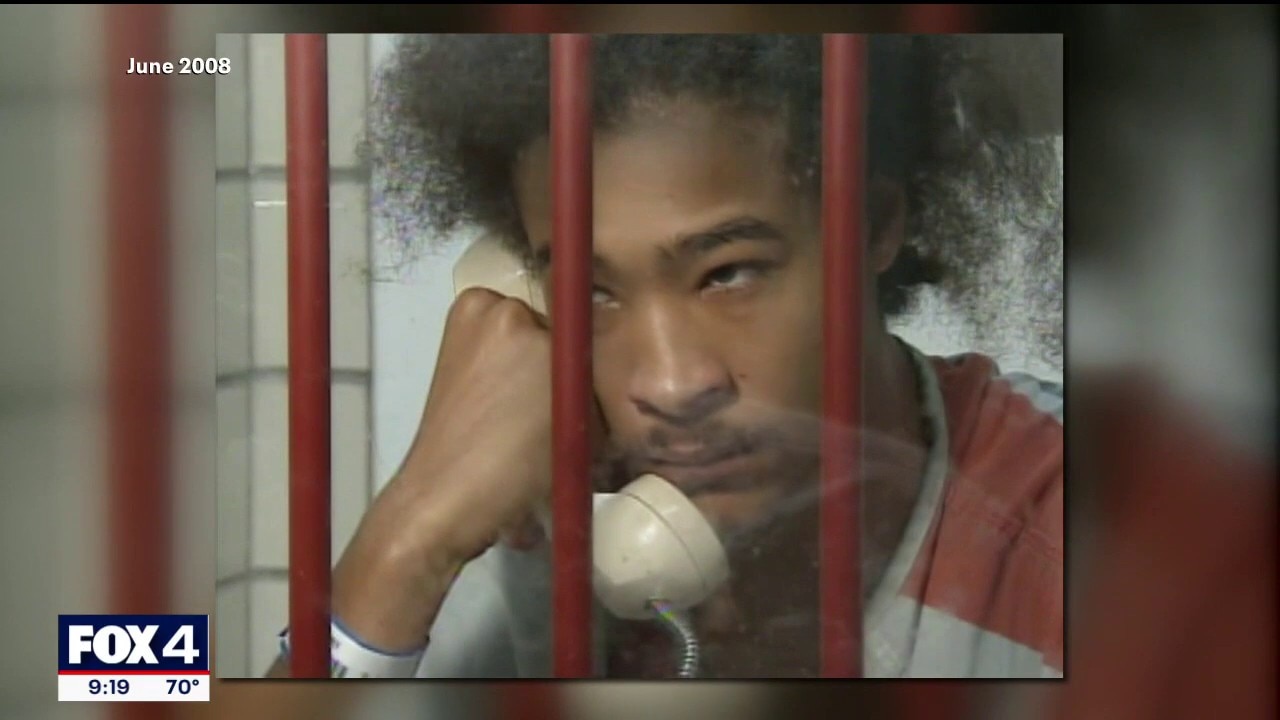
Dallas death row inmate's appeal denied
A Dallas County death row inmate had his appeal denied despite his co-defendant claiming to be the shooter in the 2008 double murder. FOX 4's Amelia Jones has more.
AUSTIN, Texas - The state's highest criminal court will not intervene in a Dallas County death penalty case despite another man claiming responsibility for the 2008 shootings.
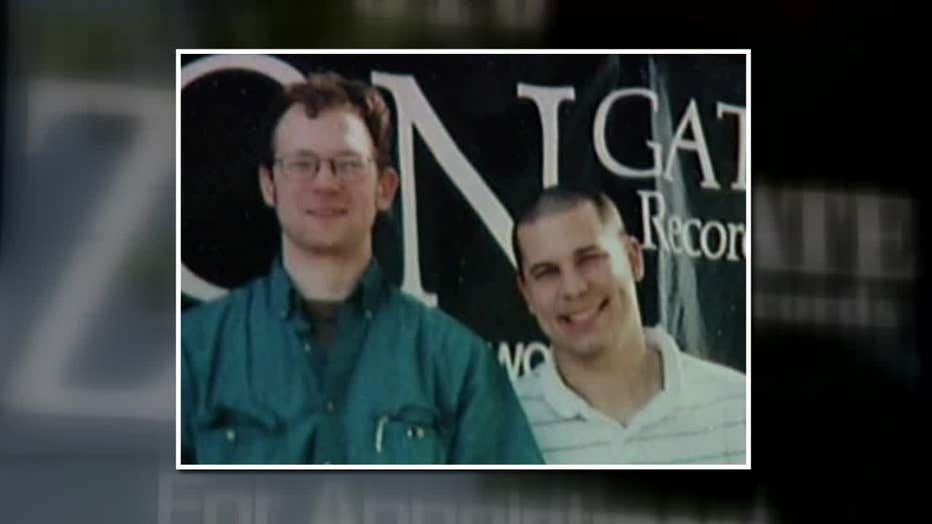
James Broadnax was sentenced to death in the 2008 killings of Stephen Swan and Matthew Butler outside their Garland music studio. Broadnax's cousin, Demarius Cummings, was also convicted of murder and sentenced to life in prison.
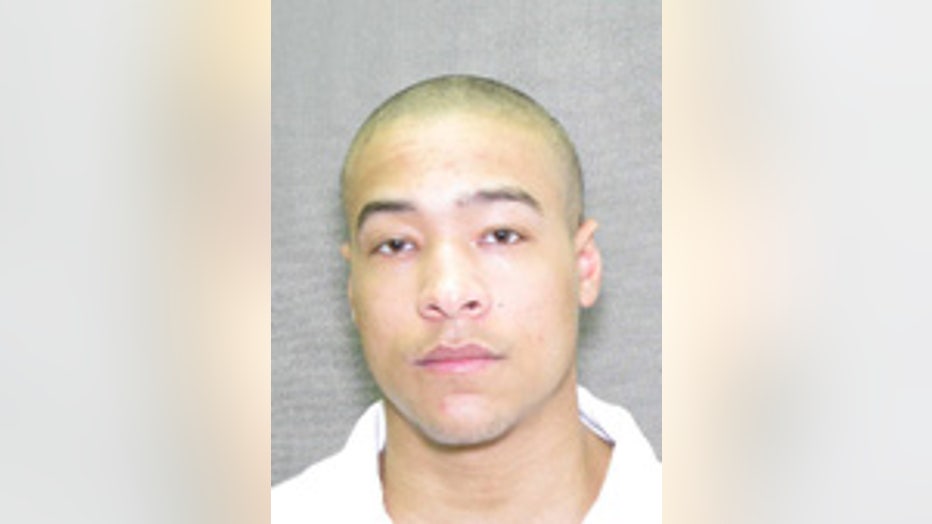
James Garfield Broadnax | Credit: Texas Department of Criminal Justice
Last month, Cummings filed a signed declaration that he was the one who shot and killed the two victims, not Broadnax, and Broadnax's attorneys filed with the Court of Criminal Appeals seeking to block his execution in light of the new evidence.
Cummings claimed in his declaration that the DNA evidence found on the gun links back to him, not Broadnax.
What's next:
Broadnax is scheduled to die by lethal injection on April 30. He has two petitions up for review by the Supreme Court of the United States; one for claims related to racial discrimination, and one related to the use of rap lyrics in his sentencing process. A decision is expected in the days leading up to his execution date.
Court of Criminal Appeals denies appeal, stay of execution
The court on Tuesday issued an opinion denying the motion stating that even though Cummings stated he pulled the trigger, Broadnax had not recanted his earlier confession.
What they're saying:
"I am unwilling to hold that applicant's confessions were false when applicant hasn't bothered to recant them," the judge said in the order. " And even if he had recanted, I find problematic the notion that he caused his own due-process violation by making voluntary inculpatory statements."
The order went on to state that even if Broadnax's confession was a lie, it did not justify a due process violation.
"Applicant's claim that he lied when he confessed must fail," the judge wrote. "He hasn't recanted his confessions, his own lies – if that's what they are – do not give rise to a due-process violation. He is not actually innocent or innocent of the death penalty, and his claims are barred because they do not fall within an exception to the subsequent application prohibition."
Law expert weighs in
Sheri Johnson, a professor of law at Cornell, has consulted on the case over the past two years. She noted that the order does not take the issue of DNA on the murder weapon into account.
""I think that this evidence, while it's not important in the question of guilt, is very important in the question of sentence," she said.
Johnson also argued that if Broadnax did recant his statement, likely nobody would have believed it.
"It doesn't make any sense because he could not control Mr. Cummings," Johnson said. "If he simply said I was not the shooter, I can't imagine that anyone would believe that or take that allegation seriously standing alone."
Garland studio murders
The backstory:
The 2008 robbery and double murder shocked North Texas.
Swan and Butler were shot and killed outside a Garland Christian music recording studio.
Broadnax and Cummings, who were both 19 at the time, got away with only $2.
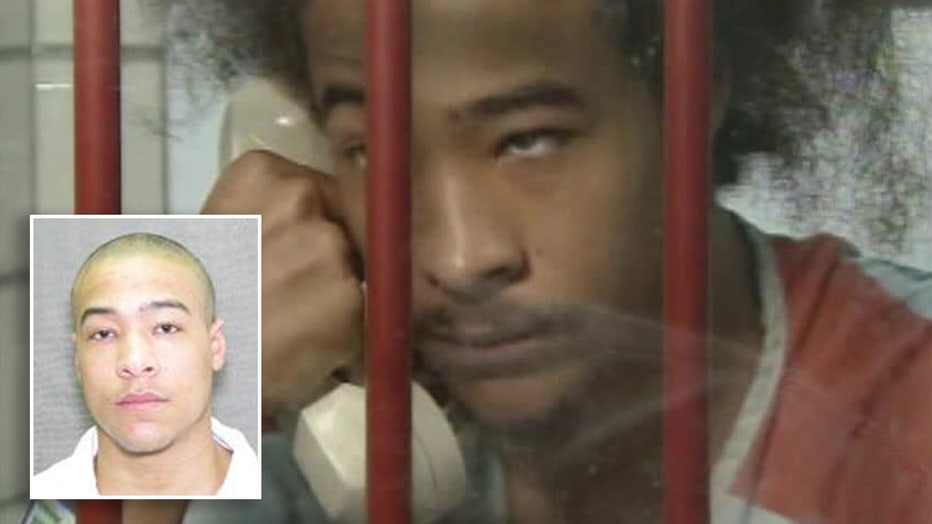
After they were arrested and charged with capital murder, FOX 4’s Shaun Rabb interviewed both of them in jail.
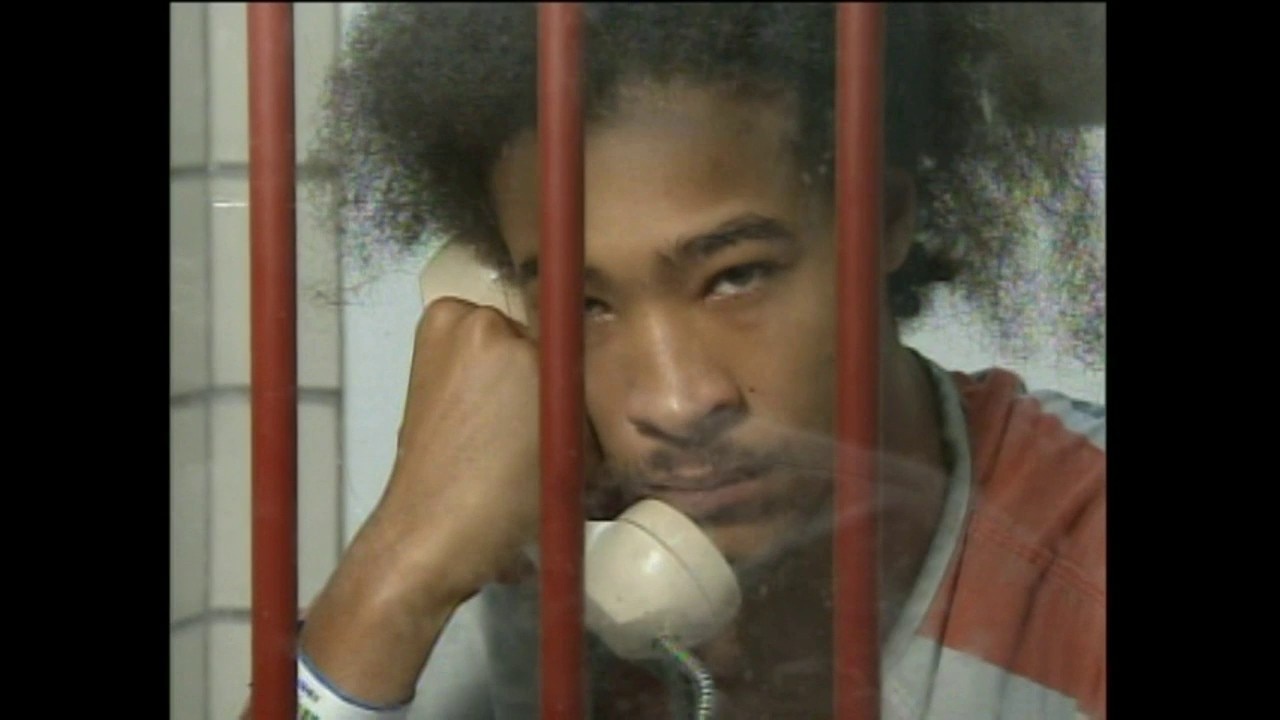
Jailhouse interviews with James Broadnax & Demarius Cummings (2008)
This television story by reporter Shaun Rabb originally aired on FOX 4 in 2008. It features suspects James Broadnax and Demarius Cummings in jailhouse interviews before they were convicted of murdering two men outside a Garland Christian music recording studio.
Cummings showed remorse for the violent crime, adding that he did not kill anyone. Broadnax shared his side of the story in an expletive-laced conversation, saying he kind of regretted what he did.
Broadnax was later convicted and sentenced to death. His execution is set for next month.
Cummings received life without parole.
The Source: Information in this article comes from documents filed in the Texas Court of Criminal Appeals and previous FOX 4 reporting.